

 中文简体
中文简体لوازم جانبی فیلتر آب اجزایی هستند که سیستم فیلتراسیون شما را به طور موثر حفظ می کنند - و نادیده گرفتن آنها تنها شایع ترین دلیل کاهش کیفیت آب فیلتر شده در طول زمان است. حیاتی ترین لوازم جانبی فیلتر کارتریج های جایگزین، حلقه های O و گیج های فشار هستند. بدون تعویض به موقع این قطعات، حتی یک سیستم فیلتر ممتاز می تواند آب بدتر از شیر بدون فیلتر را ارائه دهد. این راهنما هر دسته لوازم جانبی اصلی، کارهایی که هر کدام انجام می دهند، زمان تعویض آن و نحوه انتخاب قطعات سازگار برای سیستم شما را پوشش می دهد.
چرا لوازم جانبی فیلتر آب به اندازه خود فیلتر اهمیت دارند؟
یک فیلتر آب فقط به اندازه ضعیف ترین جزء آن موثر است. آژانس حفاظت از محیط زیست ایالات متحده (EPA) خاطرنشان می کند که سیستم های تصفیه نادرست می توانند به منبع آلودگی تبدیل شوند تا مانعی در برابر آن - بیوفیلم باکتریایی می تواند رسانه های فیلتر خسته را مستعمره کند و حلقه های O ترک خورده اجازه می دهد تا آب فیلتر نشده به طور کامل کارتریج را دور بزند. مطالعات نشان میدهد که کارتریجهای فیلتری که بیش از طول عمر آنها در خدمت باقی میمانند، میتوانند راندمان حذف آلایندهها را تا 40 تا 80 درصد کاهش دهند. بسته به نوع آلاینده و رسانه. لوازم جانبی مانند دریچه های فشار، لوله های پس از فیلتر و لامپ های UV برای سیستم های کل خانه و زیر سینک به همان اندازه حیاتی هستند.
کارتریج های فیلتر جایگزین: مهم ترین لوازم جانبی
کارتریج های جایگزین قلب هر برنامه تعمیر و نگهداری فیلتر هستند. هر سیستم فیلتر - پارچ میز، اسمز معکوس زیر سینک (RO)، رسوب تمام خانه، یخچال داخلی - متکی به کارتریجی است که باید طبق برنامه تعویض شود، صرف نظر از اینکه آب مزه یا ظاهر متفاوتی دارد.
انواع کارتریج های جایگزین
- کارتریج های رسوبی (5-50 میکرون): خاک، زنگ زدگی، ماسه و ذرات را از بین ببرید. به طور معمول اولین مرحله در سیستم های چند مرحله ای است. هر کدام را جایگزین کنید 3-6 ماه در متوسط آب شهری؛ زودتر در آب چاه با رسوب بالا.
- کارتریج های کربن بلوک: کلر، کلرامین، VOCs و ترکیبات طعم/بو را جذب کنید. هر کدام را جایگزین کنید 6-12 ماه یا بر اساس رتبه بندی گالن سازنده (معمولاً 5000 تا 10000 گالن).
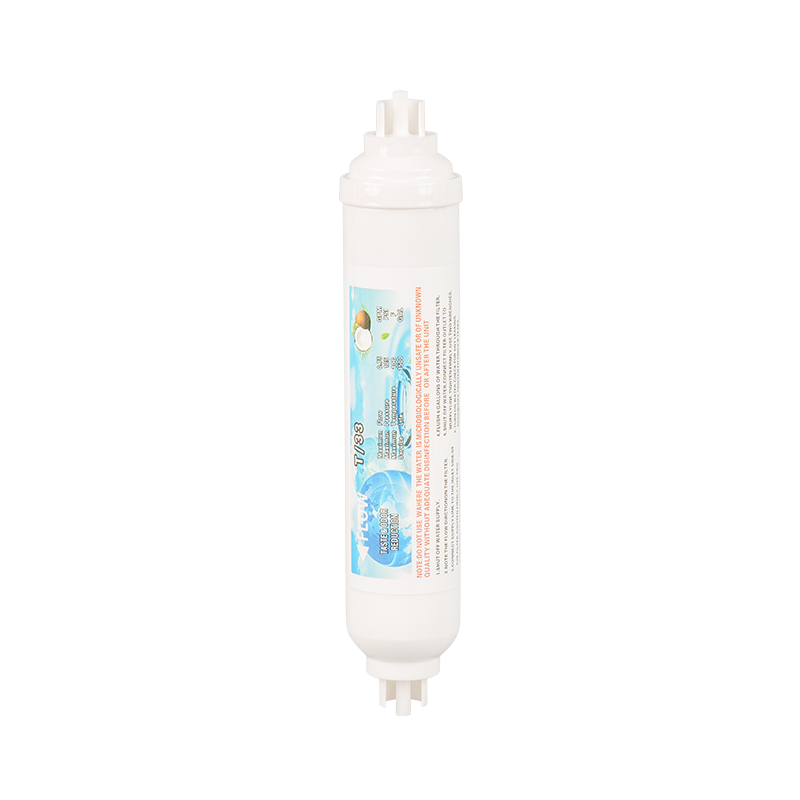
- کارتریج های کربن فعال گرانولی (GAC): عملکرد مشابه بلوک کربن اما با نرخ جریان سریعتر. اغلب در مراحل پرداخت پس از فیلتر استفاده می شود. هر کدام را جایگزین کنید 6-12 ماه .
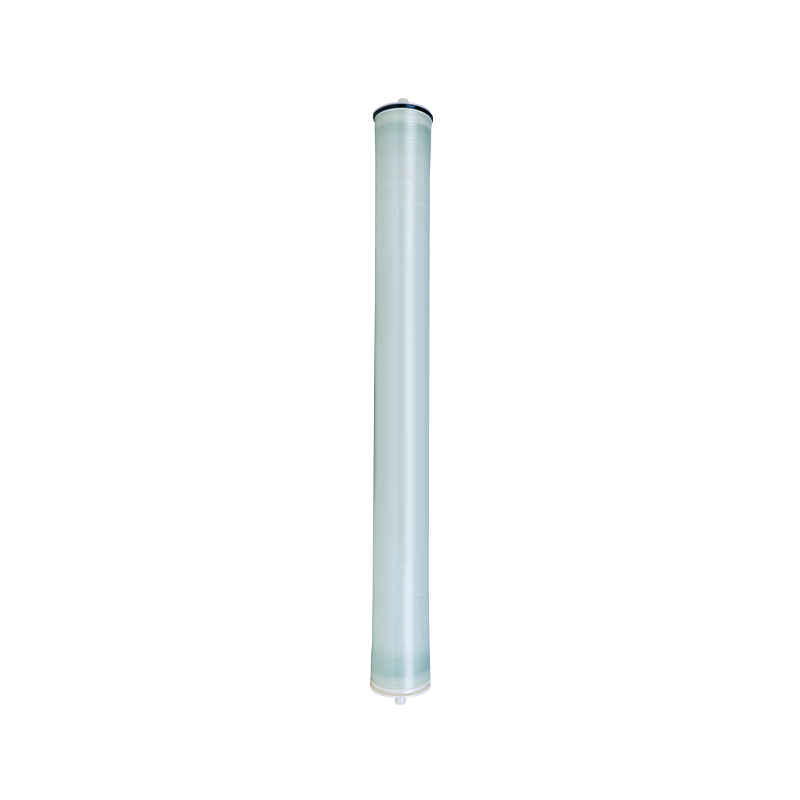
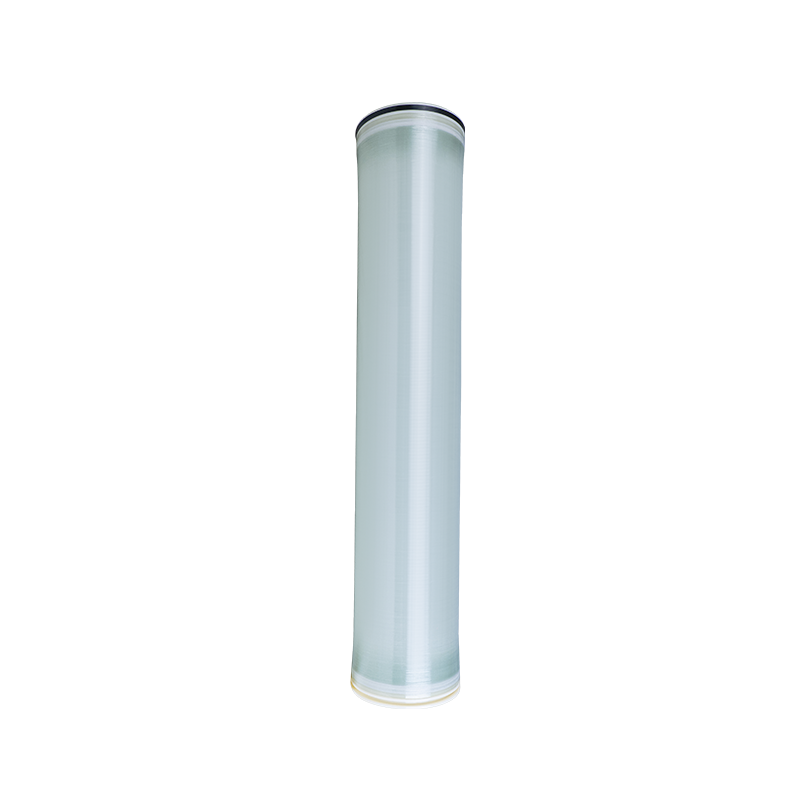
- غشاهای اسمز معکوس: جامدات محلول، فلزات سنگین، فلوراید، نیترات ها و بیشتر عوامل بیماری زا را حذف کنید. هر کدام را جایگزین کنید 2-3 سال در مصارف مسکونی معمولی، اگرچه TDS بالا (کل مواد جامد محلول) آب عمر غشا را کوتاه می کند.
- کارتریج های تخصصی: شامل احیای آهن، احیای فلوراید، مواد معدنی قلیایی و KDF (شار تخریب جنبشی) است. به ازای مشخصات سازنده تعویض کنید - معمولا 6-12 ماه .
OEM در مقابل کارتریج های جایگزین سازگار
کارتریج های سازنده تجهیزات اصلی (OEM) توسط سازنده سیستم ساخته یا تایید شده است. کارتریج های سازگار (شخص ثالث) اغلب هستند 30 تا 60 درصد ارزان تر اما از نظر کیفیت بسیار متفاوت است. هنگام خرید کارتریج های سازگار، گواهینامه NSF/ANSI را تأیید کنید - به طور خاص NSF/ANSI 42 (اثرات زیبایی شناختی) NSF/ANSI 53 (اثرات سلامتی)، یا NSF/ANSI 58 (سیستم های RO) - برای اطمینان از اینکه کارتریج به طور مستقل برای حذف آلاینده های ادعا شده روی برچسب آزمایش شده است.
محفظه فیلتر و قطعات تعویضی مسکن
محفظه فیلتر قوطی است که کارتریج را نگه می دارد. در حالی که محفظه ها به خودی خود بادوام هستند (معمولاً 5 تا 10 سال دوام می آورند)، اجزای فرعی آنها نیاز به بازرسی و تعویض منظم دارند.
اورینگ و مهر و موم
اورینگ ها مهر و موم ضد آب بین درپوش محفظه و بدنه ایجاد می کنند. یک حلقه اورینگ تخریب شده یا نادرست، شایع ترین علت نشت فیلتر و - به طور بحرانی - جریان بای پس است، جایی که آب فیلتر نشده در اطراف کارتریج عبور می کند. در هر تعویض کارتریج، حلقه های O را تعویض کنید یا حداقل آنها را از نظر ترک خوردگی، صاف شدن یا شکنندگی بازرسی کنید. حلقه های اورینگ بر اساس اندازه (اندازه گیری شده با قطر داخلی و عرض مقطع) و مواد فروخته می شوند:
- لاستیک EPDM: استاندارد برای سیستم های آب سرد مقاومت شیمیایی عالی.
- سیلیکون: مقاومت دمایی بهتر - مناسب برای کاربردهای آب گرم (تا 200 درجه فارنهایت / 93 درجه سانتیگراد).
- Buna-N (نیتریل): مقاوم در برابر روغن؛ در برخی از محفظه های فیلتراسیون صنعتی استفاده می شود.
همیشه قبل از نصب، یک لایه نازک از گریس سیلیکونی مخصوص مواد غذایی را روی حلقههای اورینگ بمالید - عمر اورینگ را افزایش میدهد و از نشتی در حالت خشک جلوگیری میکند.
آچار مسکن و ابزارآلات
آچارهای محفظه فیلتر (همچنین به آنها آچار مخزن یا آچار فیلتر نیز گفته می شود) به شما امکان می دهد محفظه هایی را که در حین کار با فشار آب بندی شده اند باز کنید. محفظه های استاندارد 10 و 20 اینچی Big Blue به آچارهای پلاستیکی یا فلزی خاصی نیاز دارند - یک آچار بند قابل تنظیم جهانی برای اکثر سایزها کار می کند. هرگز از آچار لوله یا انبردست استاندارد روی محفظه فیلتر پلاستیکی استفاده نکنید ; دیوارهای محفظه برای تحمل نیروی بار نقطه ای طراحی نشده اند و ترک خواهند خورد و نیاز به تعویض کامل محفظه دارند.
دکمه های کاهش فشار و فشارسنج
اکثر محفظه های استاندارد فیلتر دارای یک دکمه کاهش فشار روی درپوش محفظه هستند که قبل از باز کردن پیچ کارکرد، فشار سیستم را کاهش می دهد. اگر این دکمه نتواند فشار را آزاد کند (معمولاً پس از سالها استفاده)، باز کردن ایمن محفظه ممکن است بسیار دشوار یا غیرممکن باشد. هزینه تعویض مجموعه های کاهش فشار 3 تا 8 دلار و مختص مدل مسکن هستند. فشارسنج های خطی نصب شده قبل و بعد از بانک فیلتر به شما امکان می دهد افت فشار را کنترل کنید - افزایش دیفرانسیل نشان دهنده گرفتگی کارتریج قبل از کاهش قابل مشاهده سرعت جریان است.
اتصالات، لوله و اتصالات
سیستمهای RO زیر سینک و تنظیمات فیلتر چند مرحلهای به شبکهای از اتصالات فشاری، اتصالات فشردهسازی و لولههای انعطافپذیر متکی هستند. این اجزا اغلب نادیده گرفته می شوند تا زمانی که نشتی ایجاد شود.
| اتصالات / جزء | اندازه های رایج | برنامه معمولی | فرکانس تعویض |
|---|---|---|---|
| یراق آلات پوش فیت (جان مهمان). | 1/4"، 3/8"، 1/2" OD | اتصالات لوله سیستم RO | در صورت نیاز (در صورت نشتی یا تعویض لوله) |
| اتصالات فشرده سازی | 1/4"، 3/8" NPT | اتصالات ورودی/خروجی به خط تغذیه | هر 5 تا 10 سال یا در زمان بازسازی |
| لوله پلی اتیلن (PE). | 1/4 اینچ OD (بیشتر سیستم های RO) | بین مراحل، تا شیر آب و مخزن | هر 3 تا 5 سال یا با تغییر رنگ |
| شیر زینی / آداپتور آب تغذیه | خط عرضه 1/2 یا 3/8 اینچی | ضربه زدن به خط تامین آب سرد | در صورت نشتی تعویض کنید. ارتقاء به شیر توپی |
| گیره تخلیه / زین تخلیه | لوله تخلیه 1-1.5 اینچ OD | تخلیه آب کنسانتره RO (ضایعات). | در صورت گرفتگی یا خرابی مهر و موم تعویض کنید |
هنگام تعویض لوله، از لوله پلی اتیلن دارای گواهی NSF-61 یا PVDF (پلی وینیلیدین فلوراید) استفاده کنید. از لوله های وینیل شفاف عمومی خودداری کنید – این لوله برای کاربردهای آب آشامیدنی رتبه بندی نمی شود و می تواند به مرور زمان نرم کننده ها را شسته شود.
مجموعه های لامپ UV و آستین های کوارتز
سیستمهای ضدعفونی آب با اشعه ماوراء بنفش (UV) یک لایه حفاظتی حیاتی در برابر باکتریها، ویروسها و تک یاختهها اضافه میکنند که فیلترهای کربن و رسوب قادر به حذف آن نیستند. سیستم های UV دارای دو لوازم جانبی مصرفی هستند که نیاز به توجه سالانه دارند.
لامپ های جایگزین UV
لامپ های UV حتی زمانی که هنوز نور مرئی ساطع می کنند، به تدریج خروجی میکروب کش را از دست می دهند. اکثر لامپ های UV دارای رتبه بندی هستند 9000 تا 12000 ساعت کارکرد - تقریباً یک سال استفاده مداوم. پس از آن آستانه، خروجی UV-C (طول موج میکروبکشی در 254 نانومتر) به زیر سطح مورد نیاز برای ضدعفونی مطمئن میرسد، حتی اگر به نظر برسد که لامپ به طور معمول میدرخشد. لامپ های UV را سالانه بدون استثنا تعویض کنید ، صرف نظر از ظاهر بصری. هزینه های تعویض لامپ معمولاً از 20 تا 60 دلار بسته به اندازه سیستم و برند.
آستین کوارتز
آستین کوارتز یک لوله شفاف است که دور لامپ UV را احاطه کرده و آن را خشک نگه می دارد و در عین حال اجازه می دهد نور UV از داخل آب عبور کند. با گذشت زمان، رسوبات معدنی (عمدتاً کربنات کلسیم)، رسوبات آهن و بیوفیلم روی سطح آستین جمع میشوند و مانع از انتقال UV میشوند. یک آستین با فقط 10% پوسته پوسته شدن می تواند شدت UV را تا 50% کاهش دهد. ، سیستم ضد عفونی را ناکارآمد می کند. آستین های کوارتز را هر 6 ماه یکبار با محلول اسید سیتریک رقیق یا سرکه سفید تمیز کنید و هر 2 تا 3 سال یکبار یا هر زمان که کدر یا خراش دائمی نشان داد، آستین را تعویض کنید.
مخازن تحت فشار و مثانه های مخزن برای سیستم های RO
سیستمهای اسمز معکوس معمولاً آب را به آرامی تولید میکنند 50 تا 100 گالن در روز - بنابراین آنها به یک مخزن ذخیره تحت فشار متکی هستند که آب فیلتر شده را برای استفاده در صورت تقاضا جمع می کند. مخزن حاوی یک مثانه لاستیکی بوتیل تحت فشار هوا است (از قبل شارژ شده است 6-8 PSI وقتی خالی باشد).
با گذشت زمان، مثانه ممکن است از کار بیفتد - یا از دست دادن بار فشار هوا یا ایجاد پارگی که به آب اجازه می دهد قسمت هوا را پر کند. علائم خرابی مثانه عبارتند از جریان بسیار آهسته از شیر RO، مخزنی که احساس میکند پر است اما آب کمی میدهد، یا مخزنی که احساس سنگینی میکند اما فقط یک قطره تولید میکند. مثانه های مخزن جایگزین برای برخی از مدل ها در دسترس هستند، اگرچه جایگزینی کامل مخزن (معمولا 30 تا 80 دلار برای یک مخزن مسکونی استاندارد 3.2 گالن) اغلب مقرون به صرفه تر است. فشار هوای مخزن را سالانه با استفاده از فشارسنج استاندارد لاستیک و پمپ دوچرخه بررسی و شارژ کنید.
شیرآلات و لوازم جانبی توزیع
شیرهای فیلتر اختصاصی - جدا از شیر اصلی آشپزخانه - در سیستمهای RO زیر سینک و چند مرحلهای استاندارد هستند. لوازم جانبی شیر آب که قابل توجه است عبارتند از:
- شیرهای با شکاف هوا در مقابل شیرهای بدون شکاف هوا: شیرهای با شکاف هوا از برگشت آب تخلیه به سیستم RO جلوگیری می کنند - که توسط کد لوله کشی در برخی از حوزه های قضایی لازم است. نصب شیرهای بدون شکاف هوا ساده تر است اما ممکن است کد محلی را برآورده نکند. قبل از خرید چک کنید
- شیرهای برنجی بدون سرب: اطمینان حاصل کنید که هر شیر آبی که با آب آشامیدنی فیلتر شده تماس دارد دارای گواهینامه باشد NSF/ANSI 61 و NSF/ANSI 372 (بدون سرب). از شیرآلات آلیاژ روی (فلز گلدانی) با روکش کروم، که می توانند روی و سرب را در آب شسته شوند، خودداری کنید.
- کیت ساقه و اورینگ شیر آب: چکیدن شیرهای RO معمولاً ناشی از فرسودگی مهر و موم ساقه یا حلقه های O است، نه خرابی شیر. هزینه بازسازی کیت برای مدل های معمولی شیر آب 5 تا 15 دلار و شیر آب را به عملکرد جدید بازگردانید.
- محدود کننده های جریان: یک درج پلاستیکی کوچک در خط تخلیه RO که فشار معکوس مورد نیاز برای دفع کارآمد غشاء را حفظ می کند. محدودیتهای جریان از دست رفته یا با اندازه اشتباه (که بر حسب GPD اندازهگیری میشوند - گالن در روز) مستقیماً عملکرد غشاء را مختل میکنند. رتبه بندی GPD محدود کننده جریان را با خروجی نامی غشاء خود مطابقت دهید.
مترهای TDS، کیت های تست و لوازم جانبی مانیتورینگ
دانستن اینکه چه زمانی فیلتر شما دیگر کار نمی کند نیاز به اندازه گیری دارد، نه حدس و گمان. لوازم جانبی مانیتورینگ ارزان هستند و عدم اطمینان در مورد کیفیت آب را از بین می برند.
- متر TDS (کل مواد جامد محلول): مترهای دیجیتال دستی غلظت یون محلول را بر حسب قسمت در میلیون (ppm) اندازه گیری می کنند. برای سیستم های RO، آب محصول باید کمتر از 50 ppm باشد (یا حداقل 90٪ کمتر از TDS آب منبع شما). افزایش قرائت TDS اولین هشدار در مورد خرابی غشا است. هزینه متر TDS با کیفیت 10 تا 25 دلار .
- مانیتورهای TDS درون خطی: نمایشگرهای دوگانه TDS آب منبع و محصول را به طور همزمان اندازه گیری می کنند و درصد رد را به طور خودکار محاسبه می کنند. راحت تر از کنتورهای دستی برای نظارت مداوم.
- کیت های تست باکتری: نوارهای آزمایش کلیفرم و E. coli یا کیتهای پستی آزمایشگاهی تأیید میکنند که سیستمهای UV و کربن آلودگی میکروبی را کنترل میکنند. سالانه برای سیستم های آب چاه و پس از هر سرویس سیستم توصیه می شود.
- نوارهای آزمایش pH و کلر: بررسی سریع نقطه ای برای پیشرفت کلر (که نشان دهنده تخلیه کربن است) یا تغییر pH (مرتبط با مراحل فیلتر قلیایی).
مهارکننده های مقیاس و لوازم جانبی قبل از درمان
در مناطق آب سخت - جایی که سختی آب بیشتر است 120 میلی گرم در لیتر (7 دانه در هر گالن) - تجمع رسوب در داخل محفظههای فیلتر، غشاهای RO و غلافهای UV به طور چشمگیری عمر قطعات را کوتاه میکند. لوازم جانبی پیش تصفیه قبل از رسیدن آب به فیلتر اولیه این موضوع را برطرف می کنند.
- کارتریج های بازدارنده رسوب پلی فسفات: کارتریج های ارزان قیمت (معمولا 8 تا 20 دلار ) در بالادست فیلتر اصلی اضافه شد. مقدار کمی پلی فسفات غذایی را آزاد کنید که یون های کلسیم و منیزیم را به هم متصل می کند و از رسوب آنها به صورت رسوب جلوگیری می کند. هر 6 تا 12 ماه یکبار تعویض کنید.
- رسانه تبلور به کمک الگو (TAC): یک رسانه پیشگیری در مقیاس فیزیکی (بدون مواد شیمیایی) که در پیش فیلترهای کل خانه استفاده می شود. کلسیم محلول را به میکروکریستال های بی ضرری تبدیل می کند که بدون آبکاری روی سطوح از سیستم عبور می کنند. زندگی رسانه ای به طور معمول 3-5 سال .
- پیش فیلترهای رسوبی: کارتریج رسوب 20 میکرون یا 50 میکرون در بالادست مراحل فیلتراسیون ریزتر، از گرفتگی سریع غشاهای کربن بلوک و RO جلوگیری می کند و طول عمر موثر آنها را چند برابر می کند.
برنامه تعمیر و نگهداری: چه زمانی باید هر لوازم جانبی را تعویض کرد
برنامه زیر برای یک سیستم معمولی RO زیر سینک مسکونی اعمال می شود. فواصل زمانی را بر اساس کیفیت آب، حجم مصرف و مشخصات سازنده تنظیم کنید.
| لوازم جانبی | فاصله تعویض | علائم هشدار دهنده | تقریبا هزینه |
|---|---|---|---|
| کارتریج رسوبی | 3-6 ماه | جریان کاهش یافته، کارتریج تغییر رنگ داده است | 5 تا 15 دلار |
| کارتریج پیش فیلتر کربن | 6-12 ماه | بازگشت طعم/بوی کلر | 10 تا 25 دلار |
| غشاء RO | 2-3 سال | افزایش TDS در آب محصول | 25 تا 60 دلار |
| پس فیلتر کربن | 12 ماه | بی مزه در آب تمام شده | 10 تا 20 دلار |
| O-rings / مهر و موم | در هر تعویض کارتریج | چکیدن در درپوش مسکن | 1 تا 5 دلار |
| لامپ UV | 12 ماه | ساعت شمار (لامپ ممکن است همچنان بدرخشد) | 20 تا 60 دلار |
| آستین کوارتز | 2-3 سال | پوسته پوسته شدن یا ابری قابل مشاهده | 15 تا 40 دلار |
| مخزن فشار / مثانه | 5-10 سال | جریان ضعیف، مخزن غرق آب سنگین | 30 تا 80 دلار |
| کارتریج بازدارنده مقیاس | 6-12 ماه | مقیاس سفید در فضای داخلی مسکن | 8 تا 20 دلار |
چگونه از سازگاری لوازم جانبی با سیستم فیلتر خود اطمینان حاصل کنیم
خرید اندازه یا مشخصات نامناسب گرانترین اشتباه در نگهداری فیلتر است – کارتریجی که به درستی قرار نمیگیرد، مهر و موم نمیشود و یک لامپ UV با نوع پایه اشتباه نصب نمیشود. قبل از خرید لوازم جانبی این چک لیست را دنبال کنید:
- نام تجاری، شماره مدل و شماره سریال سیستم فیلتر خود را - که در برچسب مسکن یا دفترچه راهنمای مالک موجود است، ثبت کنید.
- برای کارتریج ها: به ابعاد کارتریج (قطر × طول، به عنوان مثال، 2.5 اینچ × 10 اینچ)، نوع رزوه یا سرنیزه، و درجه میکرون یا نوع رسانه نصب شده در حال حاضر توجه کنید.
- برای لامپ های UV: به وات، طول لامپ و نوع پایه (پیکربندی G23، G5 یا پین) توجه کنید. یک لامپ UV با وات صحیح اما نوع پایه اشتباه را نمی توان با خیال راحت نصب کرد.
- برای حلقه های O: قطر داخلی (ID) و سطح مقطع (CS) را بر حسب میلی متر اندازه بگیرید یا حلقه O-رینگ قدیمی را برای تطبیق به یک فروشگاه سخت افزاری بیاورید.
- برای اتصالات و لولهها: قطر خارجی (OD) لولههای موجود را با کولیس اندازهگیری کنید - اندازه اسمی (مثلاً "1/4 اینچ") اغلب به OD در سیستمهای پوش فیت اشاره میکند اما ID در سیستمهای فشردهسازی.
- برای هر قطعه ای که با آب آشامیدنی تماس دارد، گواهینامه NSF را تأیید کنید.